

New 10 AI Prompts for Dynamic Cybernetic Organism Designs
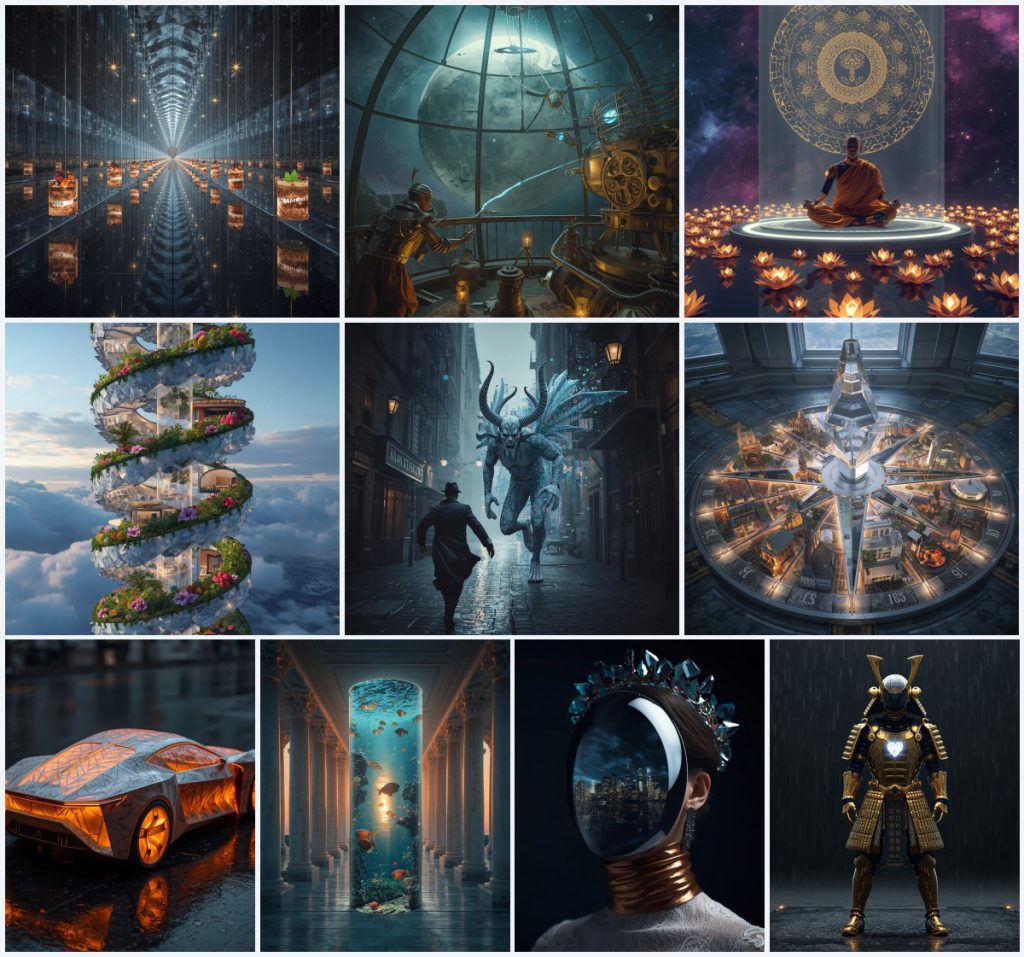
The world of AI image generation is constantly evolving, and the latest trends focus on blending organic forms with advanced technology. This collection presents ten distinct prompts that explore the concept of the cybernetic organism, where biology and machinery merge in unexpected ways. From floating Zen temples in deep space to giant crystal structures housing culinary universes, these ideas push the boundaries of what can be created with modern generative tools.
Each prompt in this set is designed to test the capabilities of different AI models, offering a mix of architectural grandeur, character design, and surreal landscapes. Whether you are looking for inspiration for your next project or simply want to experiment with new visual styles, these prompts provide a solid foundation. They emphasize detail, lighting, and texture, ensuring that the resulting images are not just visually striking but also technically robust.
What this cybernetic organism collection is asking for
This collection focuses on creating images that blend futuristic technology with organic or architectural elements. The prompts ask for high levels of detail, specific lighting conditions, and a sense of scale that makes the viewer feel small. Each scene is designed to be immersive, using materials like crystal, brass, and liquid metal to create a tactile quality. The goal is to produce images that look both realistic and fantastical, challenging the viewer's perception of what is possible.
- Transparent crystal tunnels connecting multiple gourmet universes
- Victorian-era cyborgs wearing riveted brass-and-leather armor
- A futuristic monk with matte-black carbon-fiber cybernetic augmentations
- A gigantic crystal spiral covered with luxury culinary gardens
- A city constructed entirely from fragile, painted white-and-blue Delftware porcelain
- A samurai warrior with modular armor made of shifting liquid-gold plates
Setting the stage for surreal blends
One of the most striking scenes in this collection involves a team of Victorian-era cyborgs working inside a glass-domed observatory. The prompt describes them as "wearing intricate, riveted brass-and-leather armor" while they operate a colossal telescope-mounted laser array. The setting is both industrial and astronomical, creating a unique atmosphere that feels timeless yet futuristic.
Another scene features a futuristic monk floating in the vacuum of space, surrounded by a "massive, semi-transparent holographic Zen temple." The contrast between the serene posture of the monk and the chaotic, vibrant nebula in the background creates a powerful visual narrative. These scenes rely on precise descriptions of light and material to convey their mood effectively.
Why these prompts work well for creative projects
These prompts are effective because they combine familiar concepts with unexpected twists. The use of specific materials and lighting cues helps the AI understand the desired aesthetic. Additionally, the variety of themes ensures that there is something for every type of creator, from those interested in architecture to those focused on character design.
- They encourage experimentation with mixed media and textures
- They provide clear visual references for complex scenes
- They allow for customization based on personal artistic preferences
Three distinct styles within this collection
The collection showcases three primary styles that define its visual identity. First, there is the hyper-detailed surrealism seen in the clockwork cyborgs, which blends historical aesthetics with sci-fi elements. Second, the photorealistic luxury style is evident in the crystal tunnel and gourmet gardens, emphasizing elegance and commercial appeal. Third, the avant-garde dark-fantasy approach is visible in the liquid-gold samurai, focusing on dramatic lighting and intense color contrasts. Each style offers a different way to interpret the theme of cybernetic organisms.
- Hyper-detailed Surrealism: Blends 19th-century industrial aesthetics with astronomical horror and clockwork mechanics.
- Photorealistic Luxury: Focuses on elegant reflections, premium branding, and immersive storytelling in crystal environments.
- Avant-Garde Dark Fantasy: Uses high-contrast rim lighting and shifting metallic materials to create a dramatic, moody atmosphere.
How to generate these images step by step
Generating high-quality images from these prompts requires a systematic approach. Start by selecting the specific prompt that aligns with your vision. Then, prepare any reference images if needed, such as examples of crystal textures or Victorian armor. Finally, use the chosen AI tool to generate the image, paying close attention to the details and making adjustments as necessary.
- Copy the Prompt. Select the full text of the desired prompt and copy it to your clipboard.
- Upload Reference. If available, upload a reference image that matches the style or subject of the prompt.
- Generate Image. Paste the prompt into the AI tool and initiate the generation process.
- Check Hands. Inspect the generated image for any anomalies in the hands, especially in character-focused prompts.
- Check Face. Ensure that facial features are coherent and free from distortions, particularly in portrait-style images.
- Check Main Object. Verify that the central object, such as the crystal tunnel or samurai armor, is rendered correctly and clearly.
Using reference photos for better results
Reference photos can significantly improve the quality of AI-generated images by providing visual context. When using references, choose images that closely match the lighting, texture, and composition of the desired output. This helps the AI understand the intended style and reduces the likelihood of errors.
- Use high-resolution images with clear details to guide texture generation
- Select references that match the color palette of the prompt
- Include examples of similar compositions to maintain structural integrity
Best tools for generating these prompts
Different AI tools have varying strengths when it comes to handling complex prompts. Some excel at photorealistic textures, while others are better suited for surreal or abstract concepts. Choosing the right tool depends on the specific requirements of the prompt and the desired outcome.
| Tool | Access | Typical realism | Useful here for |
|---|---|---|---|
| ChatGPT | Web/App | Moderate | Conceptualizing the layout of the crystal tunnel |
| Google Gemini | Web/App | High | Rendering the detailed brass gears in the observatory |
| Leonardo AI | Web | Very High | Creating the photorealistic textures of the luxury gardens |
| Midjourney | Web/Discord | Artistic | Capturing the surreal vibe of the glitching porcelain city |
Tips for refining your outputs
Refining AI-generated images often involves tweaking specific elements to achieve the desired effect. Pay attention to the materials mentioned in the prompt, as they play a crucial role in defining the overall look. Adjusting lighting and contrast can also enhance the drama and depth of the image.
- Emphasize the 'liquid-gold' material in the samurai prompt to ensure proper reflection
- Highlight the 'transparent crystal' aspect in the tunnel prompt to maintain clarity
- Focus on the 'holographic' effects in the Zen temple prompt to add a futuristic glow
Common issues and how to fix them
AI image generation can sometimes produce unexpected results, particularly with complex scenes involving multiple objects or characters. Identifying common issues and knowing how to address them can save time and improve the final output.
| Issue | What to change |
|---|---|
| Distorted hands on cyborgs | Add negative prompts for 'extra fingers' or 'malformed hands' |
| Blurry crystal textures | Increase the resolution settings or use a higher detail mode |
| Inconsistent lighting in the temple | Specify 'soft diffused lighting' in the prompt to unify the scene |
| Missing holographic effects | Enhance the description of 'glowing orange LED circuitry' for clarity |
Frequently Asked Questions
Can I use these prompts for commercial purposes?
Yes, most AI tools allow commercial use of generated images, but always check the specific terms of service for the tool you are using.
Which prompt is best for beginners?
The 'Cybernetic Monk Meditating' prompt is a good starting point due to its simpler composition and clear visual elements.
How do I make the crystal tunnel look more transparent?
Add keywords like 'glass-like transparency' and 'refractive index' to the prompt to emphasize the material properties.
Conclusion
This collection of ten cybernetic organism prompts offers a diverse range of creative possibilities for AI image generation. By exploring different styles, materials, and scenes, creators can push the boundaries of their imagination and produce stunning visuals. Whether you are a seasoned professional or a curious beginner, these prompts provide a valuable resource for experimenting with new techniques and aesthetics. As AI technology continues to evolve, so too will the potential for creating increasingly complex and beautiful images.
Remember to only edit photos you have the legal right to modify.